Designers at Their Desk: Chris Pietsch
Designers at Their Desk is a periodic feature showcasing a conversation with one of our staff, their unique outlook on architecture and design, hobbies, interests, and their current projects.
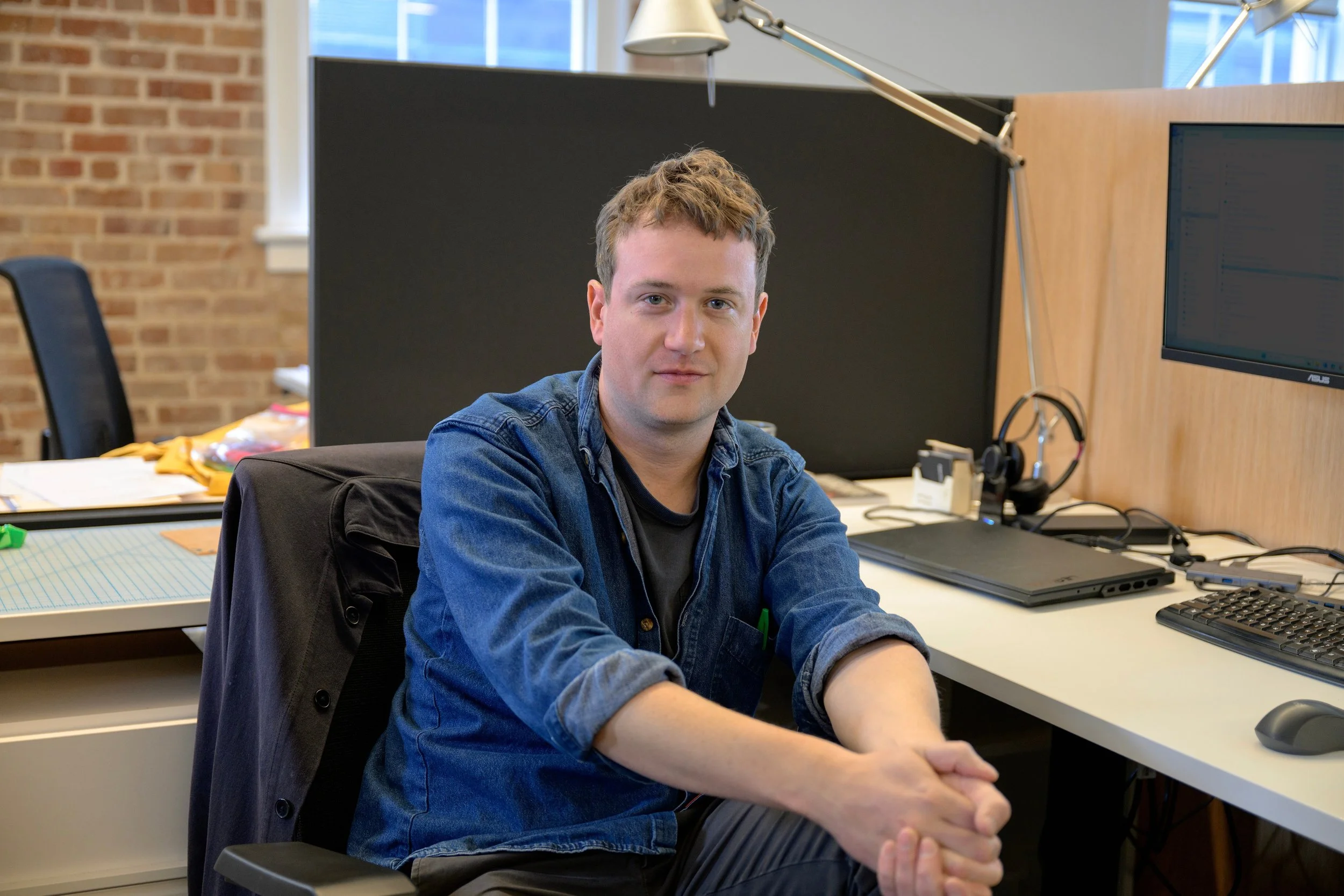
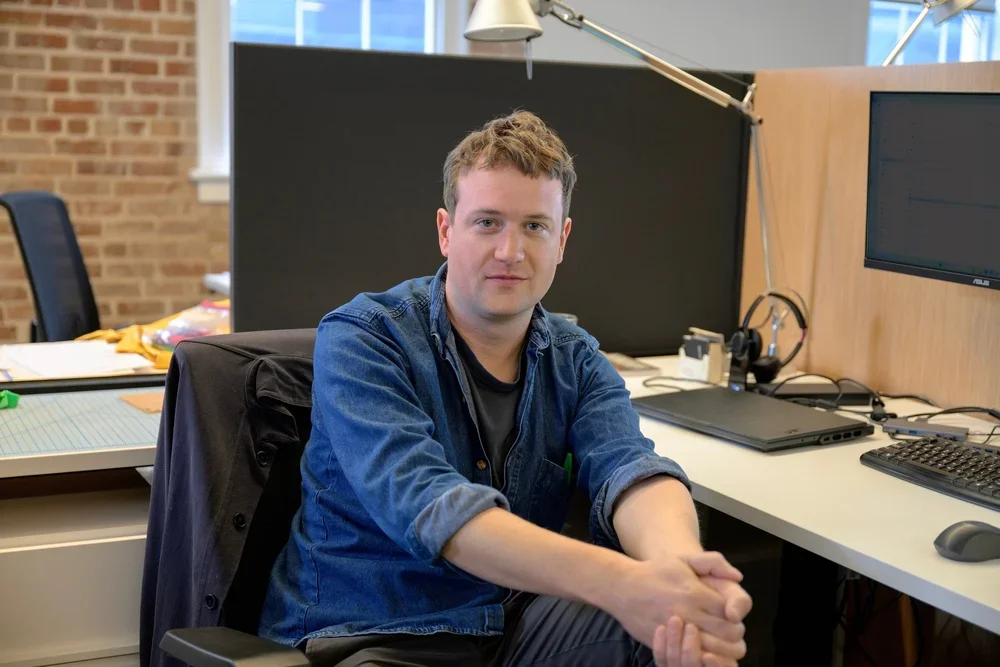
Chris at his desk in our New Orleans studio
Meet Chris
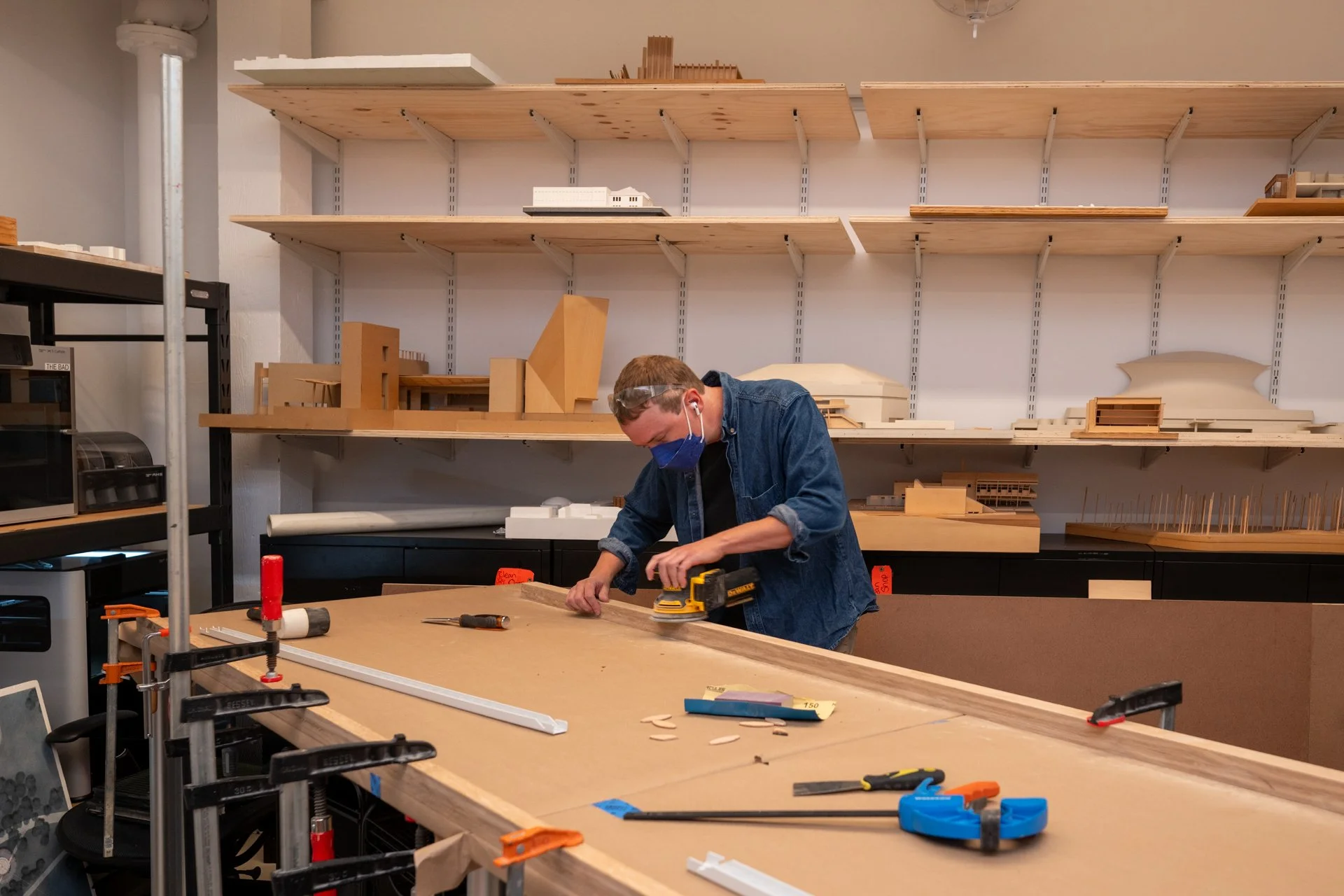
Chris working in our New Orleans studio’s fabrication and model-making shop.
For our newest Designers at Their Desk, we spoke with Chris Pietsch, a designer in our New Orleans studio, about his connection to craftsmanship and fabrication within architectural practice.
From time spent drawing and modeling to working hands-on in the shop, Chris approaches design through making, using physical models and materials to explore ideas that extend beyond the digital workspace. We also discuss his path to New Orleans and how model-making continues to serve as a powerful tool for communicating architecture in tangible ways.
Before EskewDumezRipple
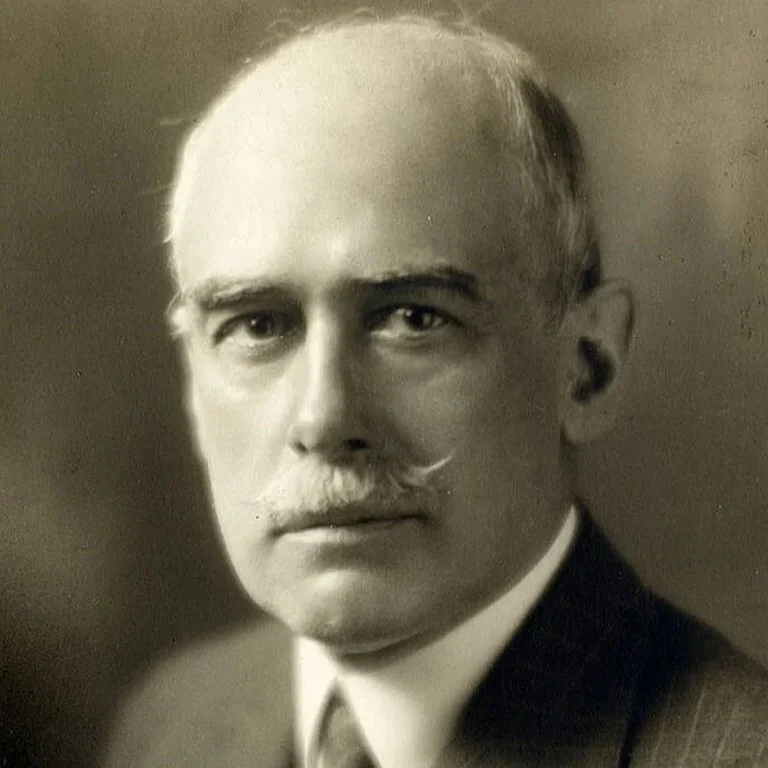
Portrait of Chris’ great-grandfather, Theodore Wells Pietsch I, ca. 1925. Source: Wikipedia. Link here.
Conversations in this series often begin by stepping back to understand how designers arrive at EskewDumezRipple and how their experiences shape the roles they take on within the firm.
For Chris, that introduction came early. Growing up, he was exposed to architecture through slide presentations of his great-grandfather’s work, a collection of Beaux-Arts–influenced projects and images of his home shown during family gatherings.
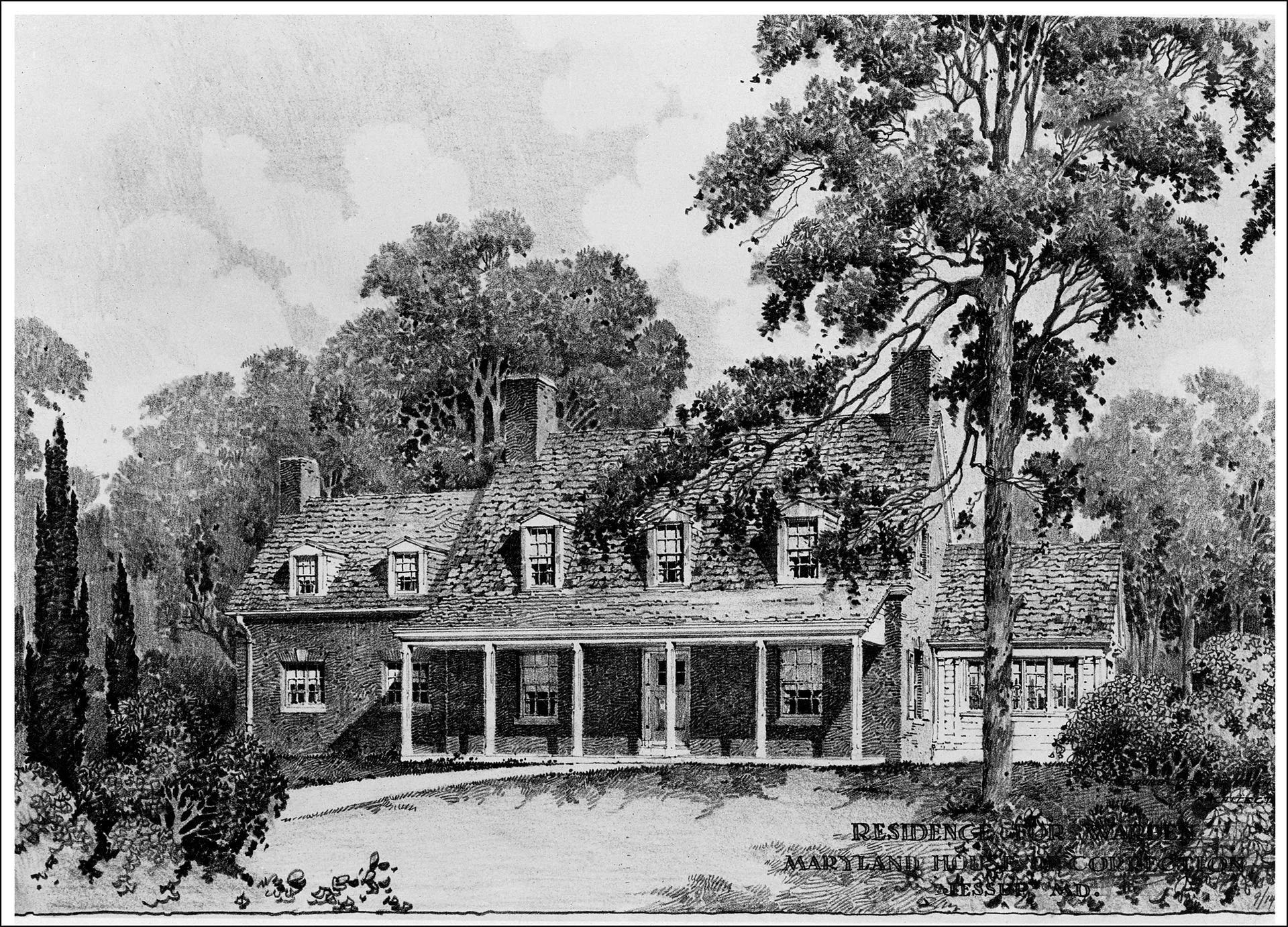
Image source: Wikimedia Commons, “House of Corrections.” Link here.
His great-grandfather, Theodore Wells Pietsch I, was a Chicago-trained, Beaux-Arts–educated architect best known for helping shape early-20th-century Baltimore through a wide range of civic, religious, commercial, and waterfront buildings, including the city’s Recreation Pier and SS. Philip and James Catholic Church.
These early glimpses into architecture’s history and craft sparked an interest that would later evolve into a career grounded in both design and making.
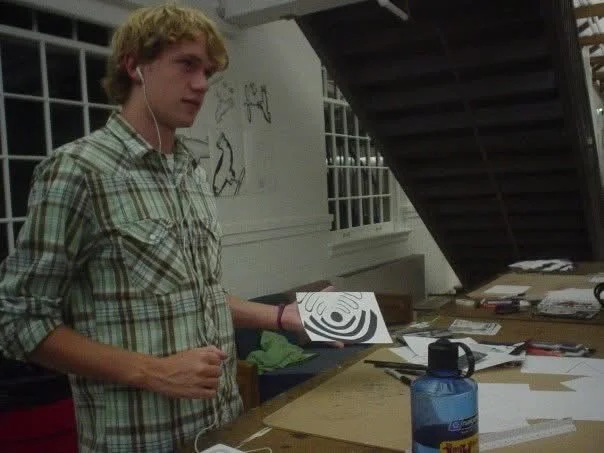
Chris in Lope’s class, 2007.
During his undergraduate studies at North Carolina State University in Raleigh, Chris found creative momentum within the school’s Bauhaus-inspired environment, where architecture students worked alongside College of Design peers in graphic design, industrial design, and media arts. The cross-disciplinary setting encouraged experimentation and a broad understanding of craft, an approach that continues to inform his work today.
Early in the program, Chris studied under painter, printmaker, and educator Lope Max Díaz, whose work explored bold geometry, layered surfaces, and the physical depth of constructed paintings. Chris still finds himself recalling those lessons when developing form and structure in new projects.
Hands On Experience
Before heading to graduate school, Chris took a position at a truss manufacturing facility in Kentucky. Though a departure from the academic setting of architecture school, the physically demanding work introduced him to the realities of fabrication at full scale from handling large lumber assemblies to operating heavy equipment.
“There was an intensity to working in that environment that I had not yet experienced,” Chris recalls.
Chris then moved to Blacksburg, Virginia, to attend graduate school at Virginia Tech, where he began working as a teaching assistant in the school’s wood shop, building on fabrication skills he first developed during his undergraduate studies. The role placed him at the intersection of design and making, helping students translate ideas into physical form.
“Students would come in with their models needing guidance or new approaches to achieve a certain outcome,” Chris explains.
Working in the shop reinforced the idea that design decisions are often discovered through process rather than predetermined outcomes, an approach that continues to inform how Chris approaches projects today.
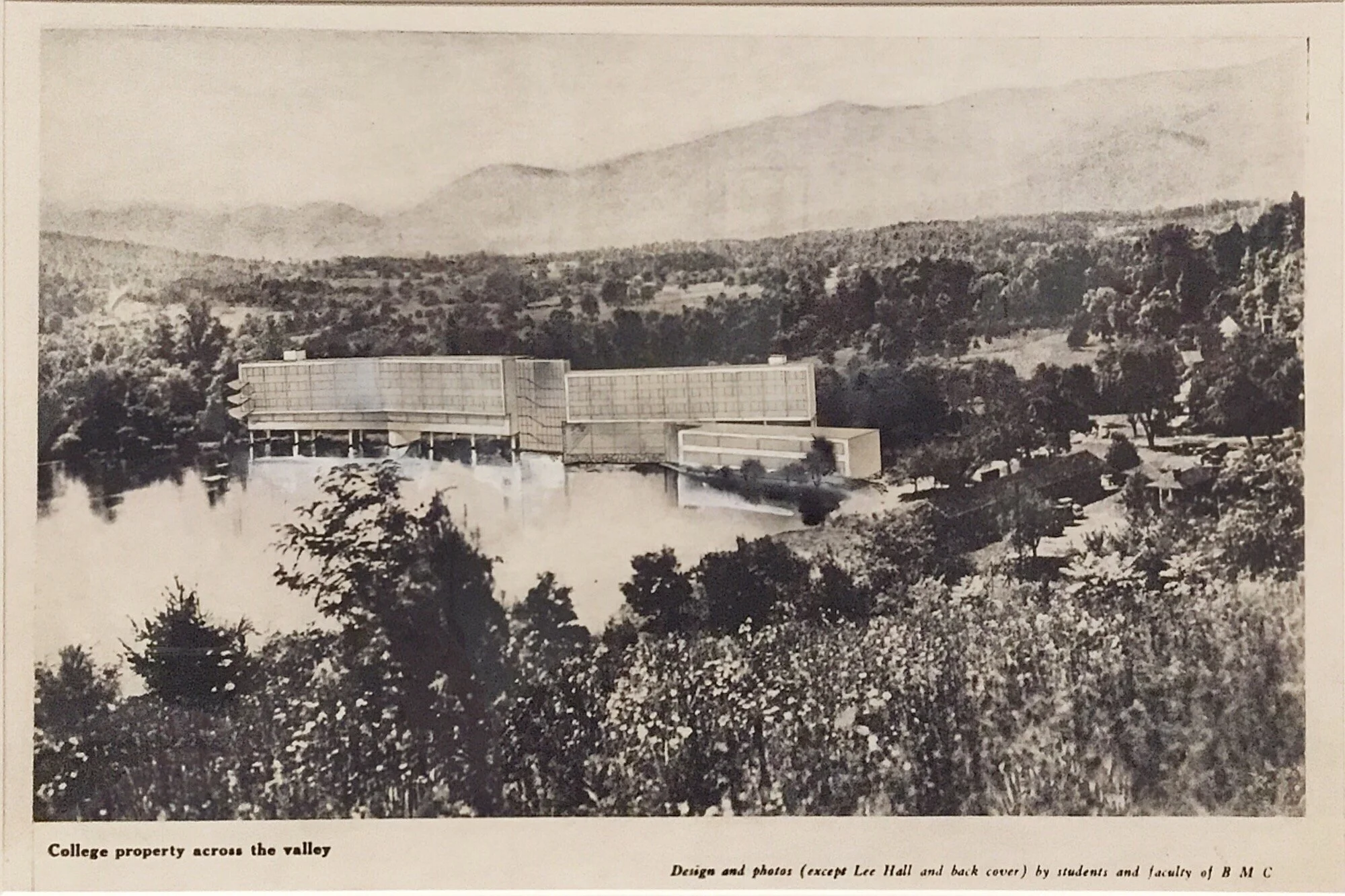
Black Mountain College, 1938.
His graduate thesis further explored this relationship between material, light, and spatial experience through a series of physical models studying Black Mountain College in nearby Black Mountain, North Carolina.
Constructed from materials such as wood and wax, the models examined how partitions, surfaces, and shifting geometries could bend, filter, and interact with light. Rather than representing buildings as fixed objects, the work investigated architecture as something experiential — shaped by movement, atmosphere, and changing conditions over time.
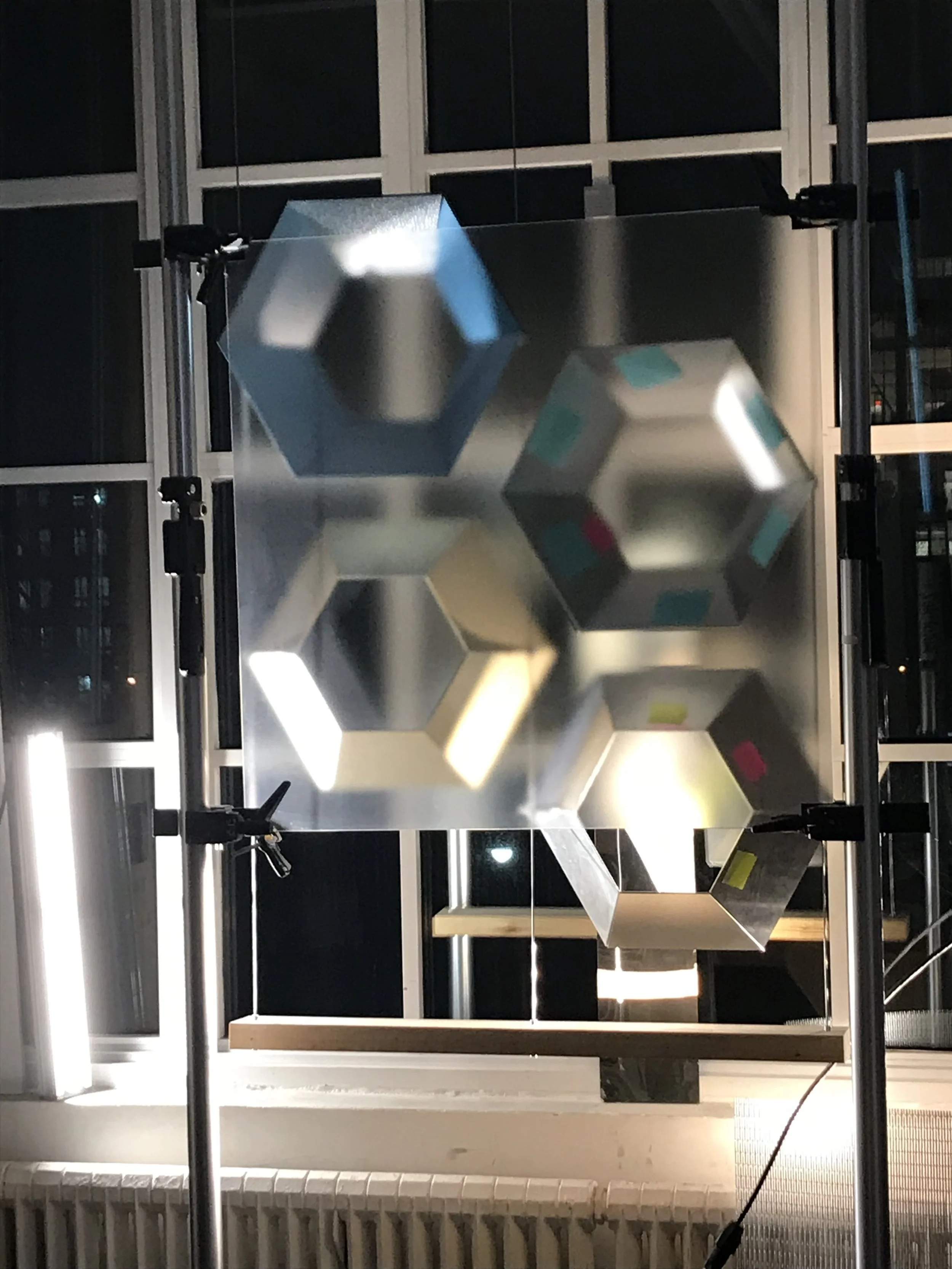
Hexagonal mockups Chris fabricated during his time at
After completing his master’s program, Chris moved to New York City to work under James Carpenter Design Associates.
There, he contributed to fabrication-driven design efforts for projects including a Bridge/Pavilion at Duke University, an art piece for Stanford Hospital, and a public art installation in the Sky Harbor Airport in Phoenix, Arizona.
The work immersed him in highly technical collaborations between architects, artists, engineers, and fabricators, further strengthening his interest in translating conceptual ideas into built form.
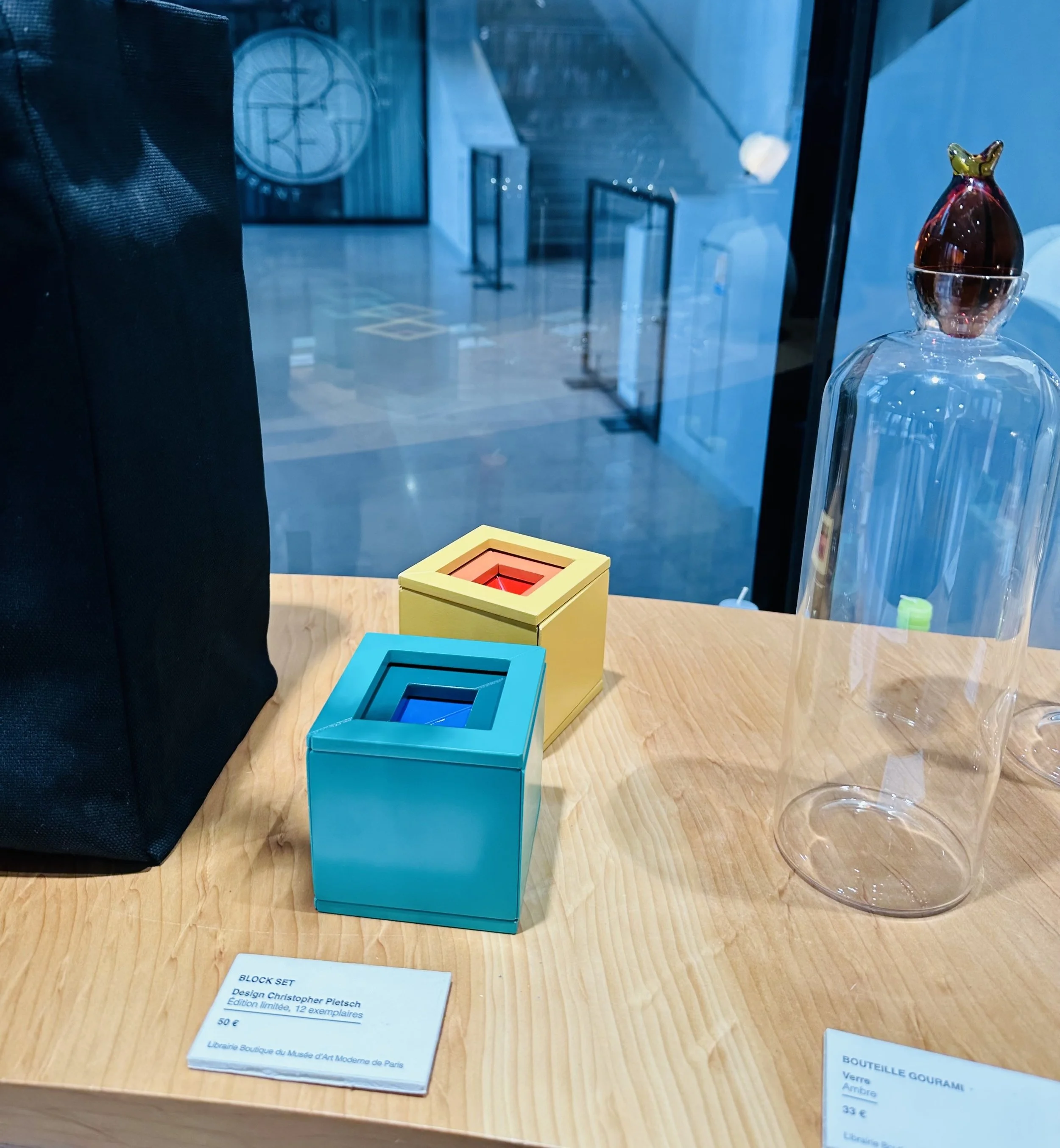
Chris’s limited-edition block set for Anni and Josef Albers, Art and Life at the Musée d’Art Moderne de Paris.
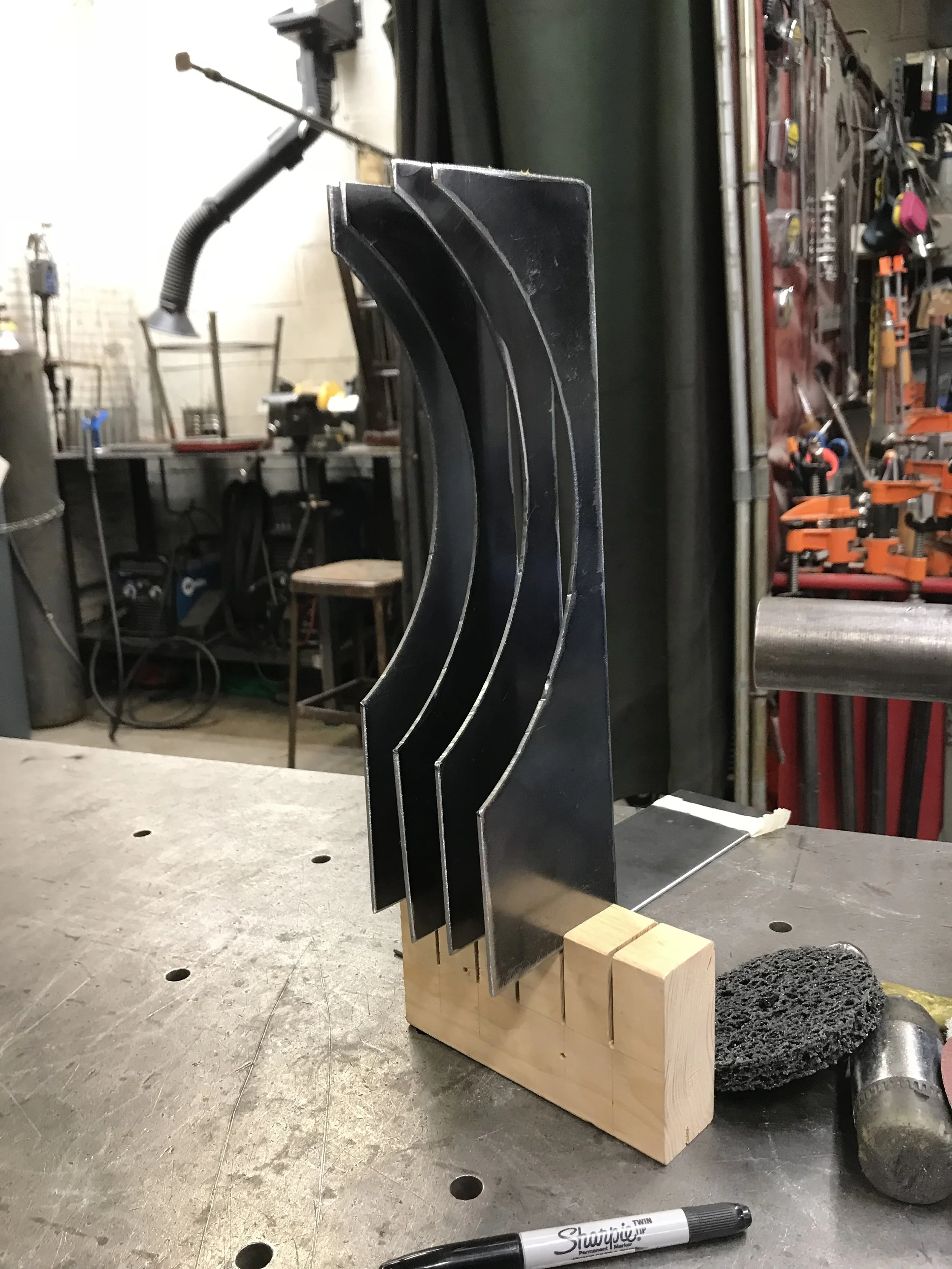
Metal sculpture by Chris, created while taking night classes at the Art Students League in New York.
Chris’s commitment to craftsmanship extended beyond the office, shaped by a deep curiosity about how things are made and a lasting appreciation for precision, detail, and material expression.
Outside of his professional work, he continued to refine those instincts through hands-on creative pursuits, including night classes in metal sculpture at the Art Students League in New York and the design of a limited-edition block set for the Musée d’Art Moderne de Paris exhibition Anni and Josef Albers, Art and Life.
Together, these explorations reflect an enduring dedication to making, where careful study of form, geometry, and construction became another way of sharpening the skills and sensibilities that informed his architectural work.
Joining the Firm
At EskewDumezRipple, Chris found a natural home within our Civic + Cultural studio, a team often tasked with projects that fall outside conventional building types.
Whether working on community-focused spaces, public environments, or design visioning efforts, his process often begins with material and experience rather than form alone, imagining how people encounter light, texture, and space at both large and intimate scales.
Digital tools play an increasing role in that exploration. Chris has recently been experimenting with AI-assisted visualization workflows alongside Revit, Rhino, and real-time rendering tools, using them to quickly test atmosphere and spatial ideas while maintaining design control.
“It’s a bit like a Magic 8 Ball,” he jokes. “But we’re learning how to guide it better to increase our efficiency in making design decisions.”
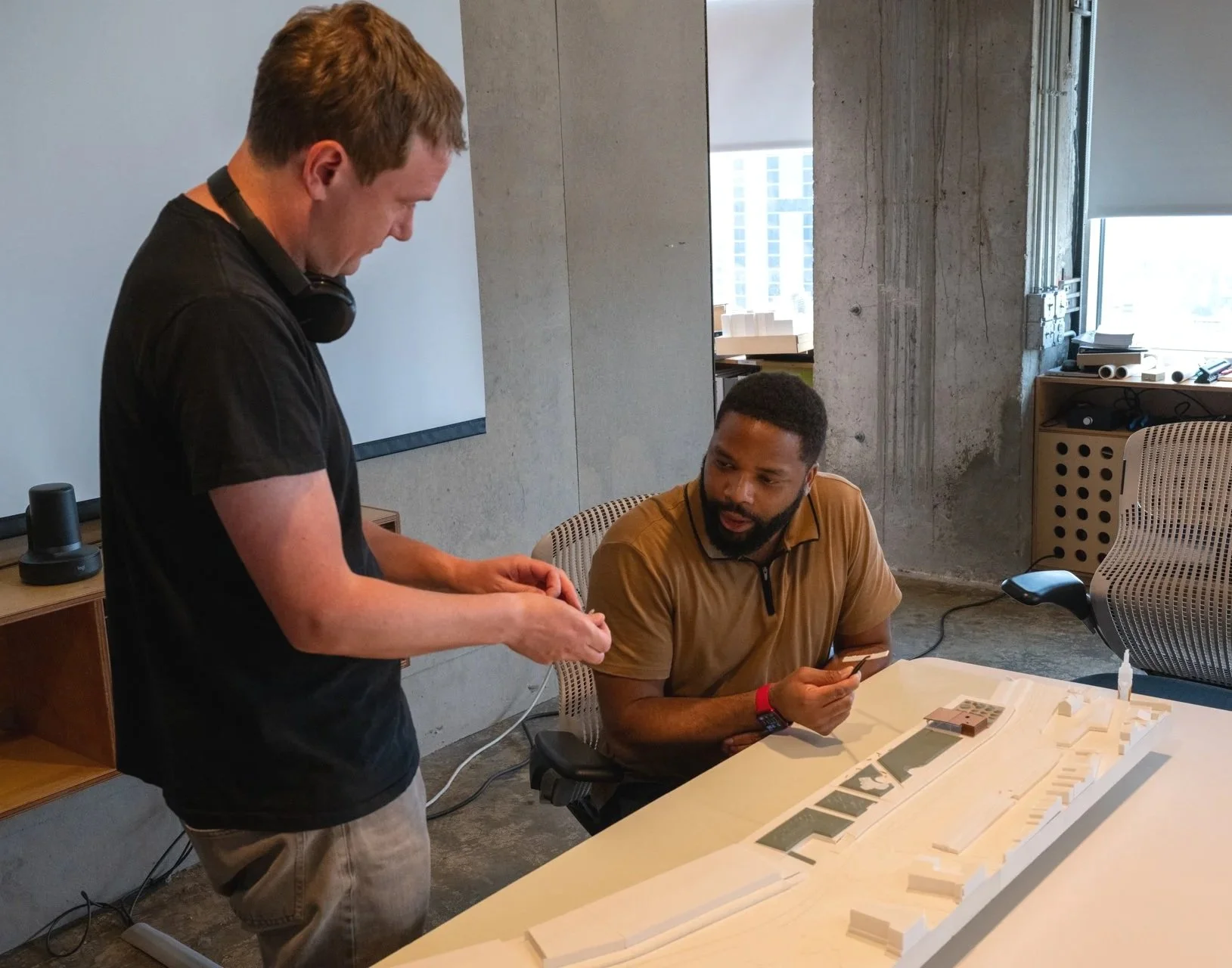
Chris working with Tracy, an intern from summer 2024, on model making best practices.
Big Projects, Big Impacts
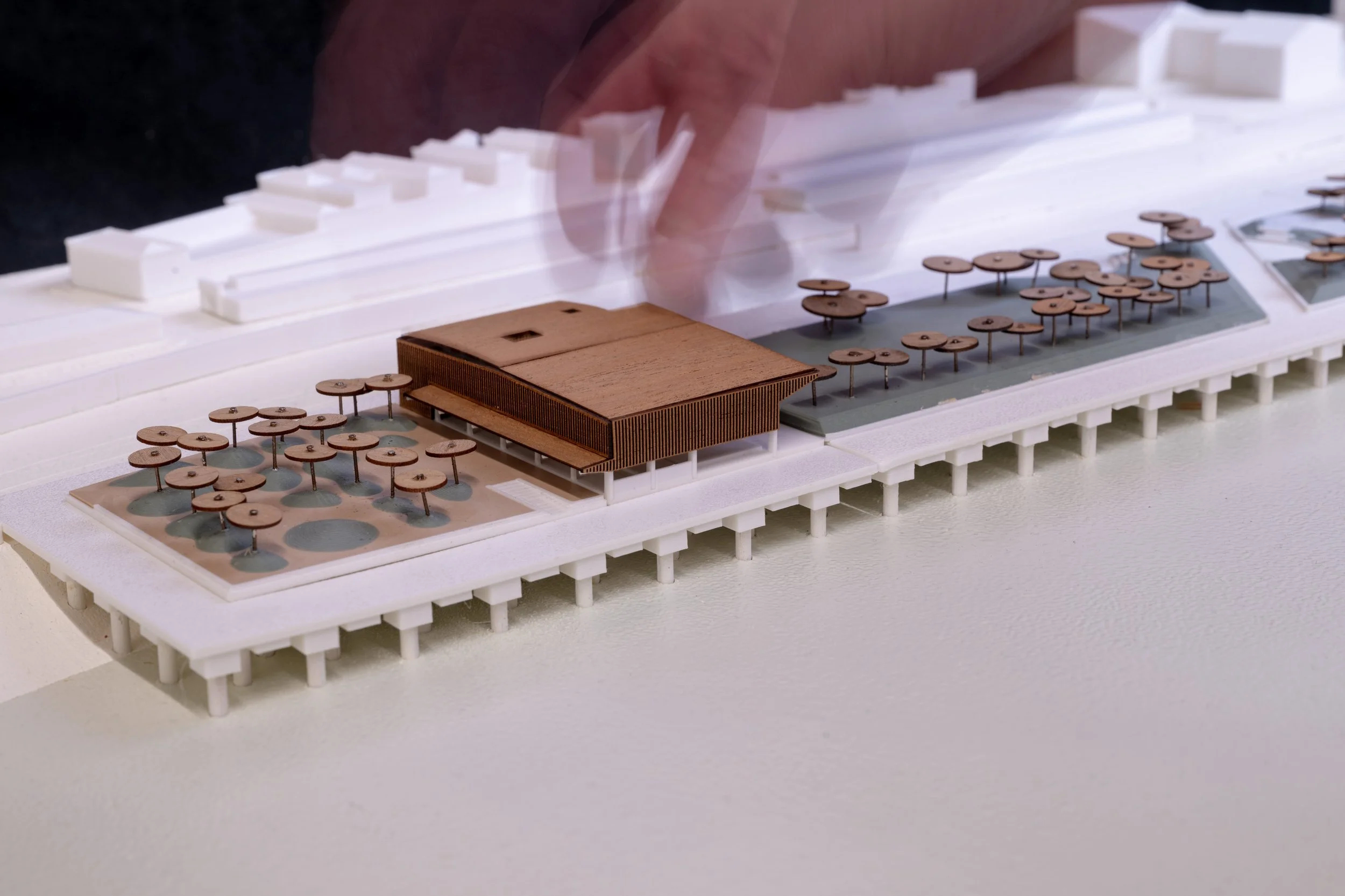
Since joining EskewDumezRipple in 2023, Chris has been part of the project team for the nearly completed Goldring Woldenberg Riverfront Park, a transformative public space along the Mississippi River in New Orleans. Developed through Audubon Nature Institute’s Riverfront for All initiative, the project reimagines a historic wharf structure as a new civic landscape reconnecting the city with its riverfront.
Throughout the design process, the team explored multiple iterations to resolve the complex relationship between landscape, structure, and public use. Chris played a key role in that exploration through an intensive model-making process, building detailed physical models that helped the design team, client, and community visualize how the project would take shape along the river. The models became a critical tool for testing ideas and communicating the spatial experience of the park long before construction began.
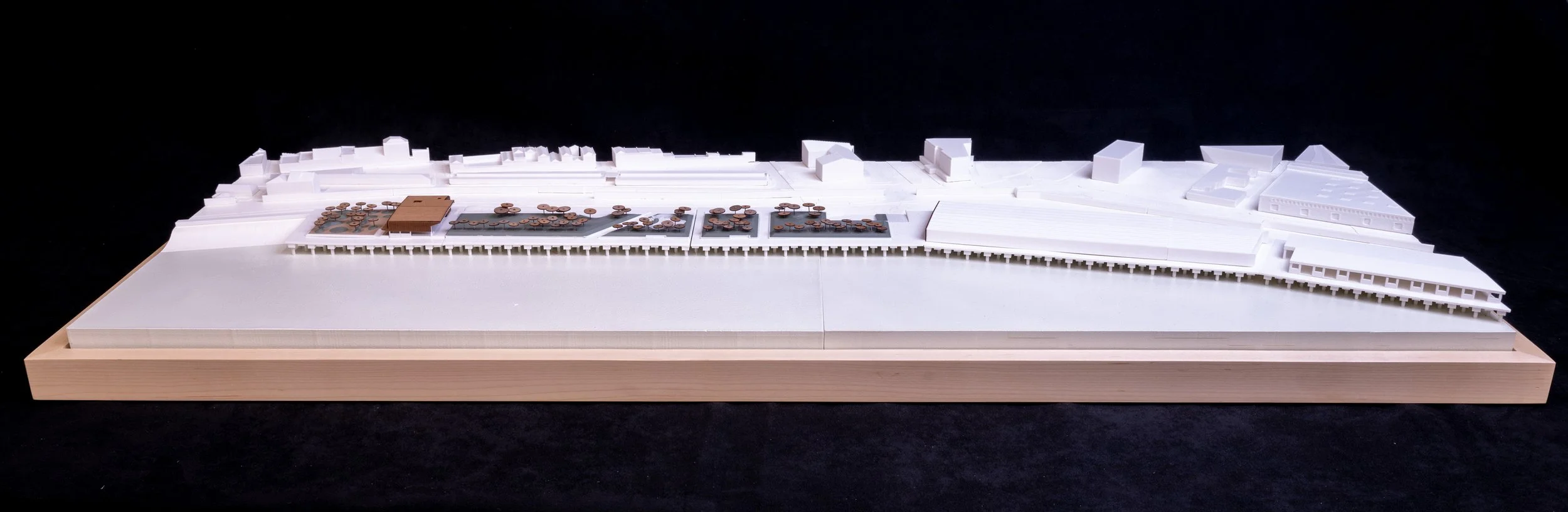
Model of Goldring Woldenberg Riverfront Park Chris made in 2023
A Shop Home in The New Studio
Chris’s dedication to making has also shaped the studio environment itself. During the design of EskewDumezRipple’s new headquarters at 400 Lafayette Street, he helped lead efforts to envision and organize the firm’s fabrication space—an area designed to support both traditional craftsmanship and emerging digital tools.
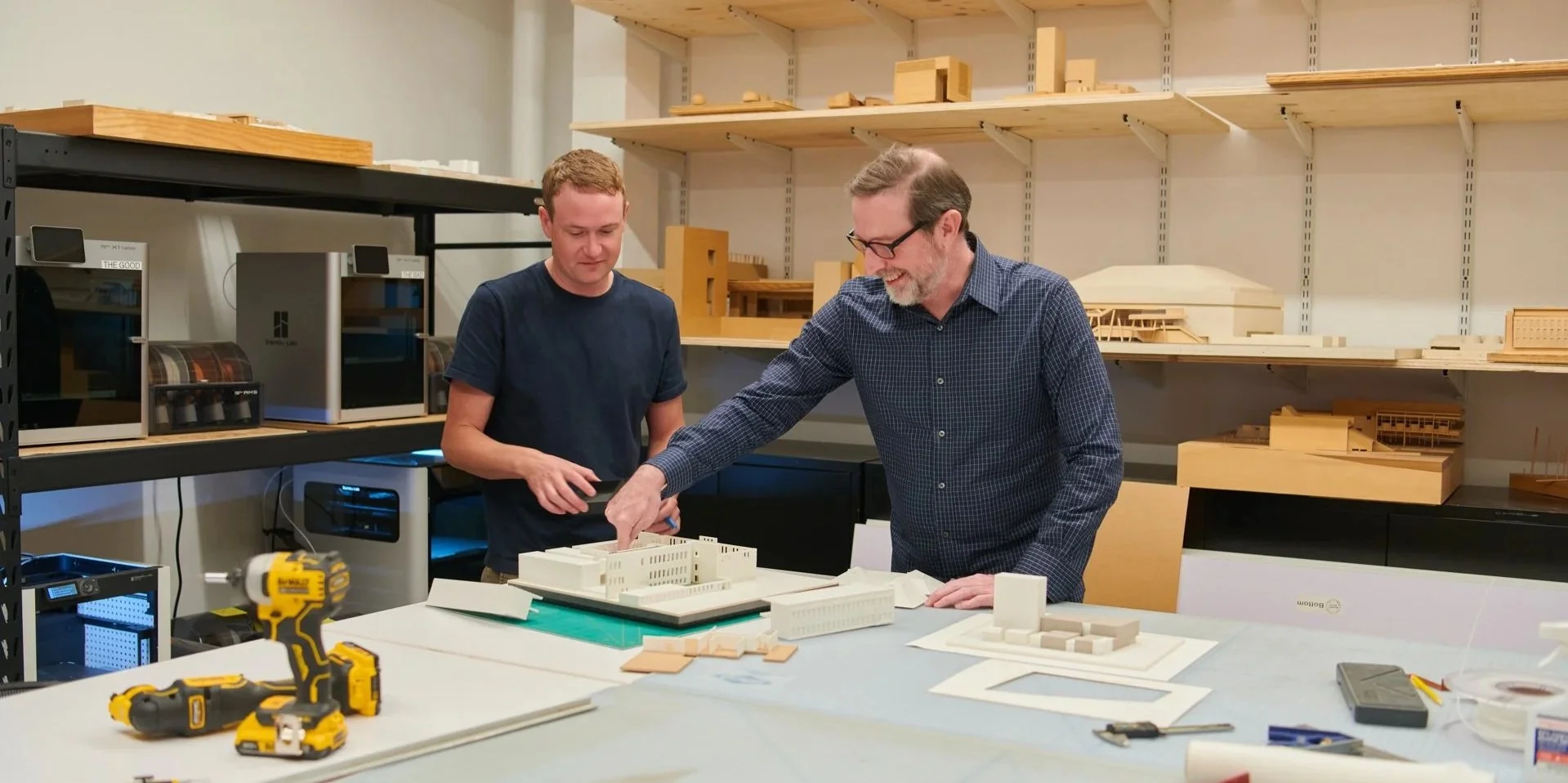
Chris and Mark collaborating on a model in the shop
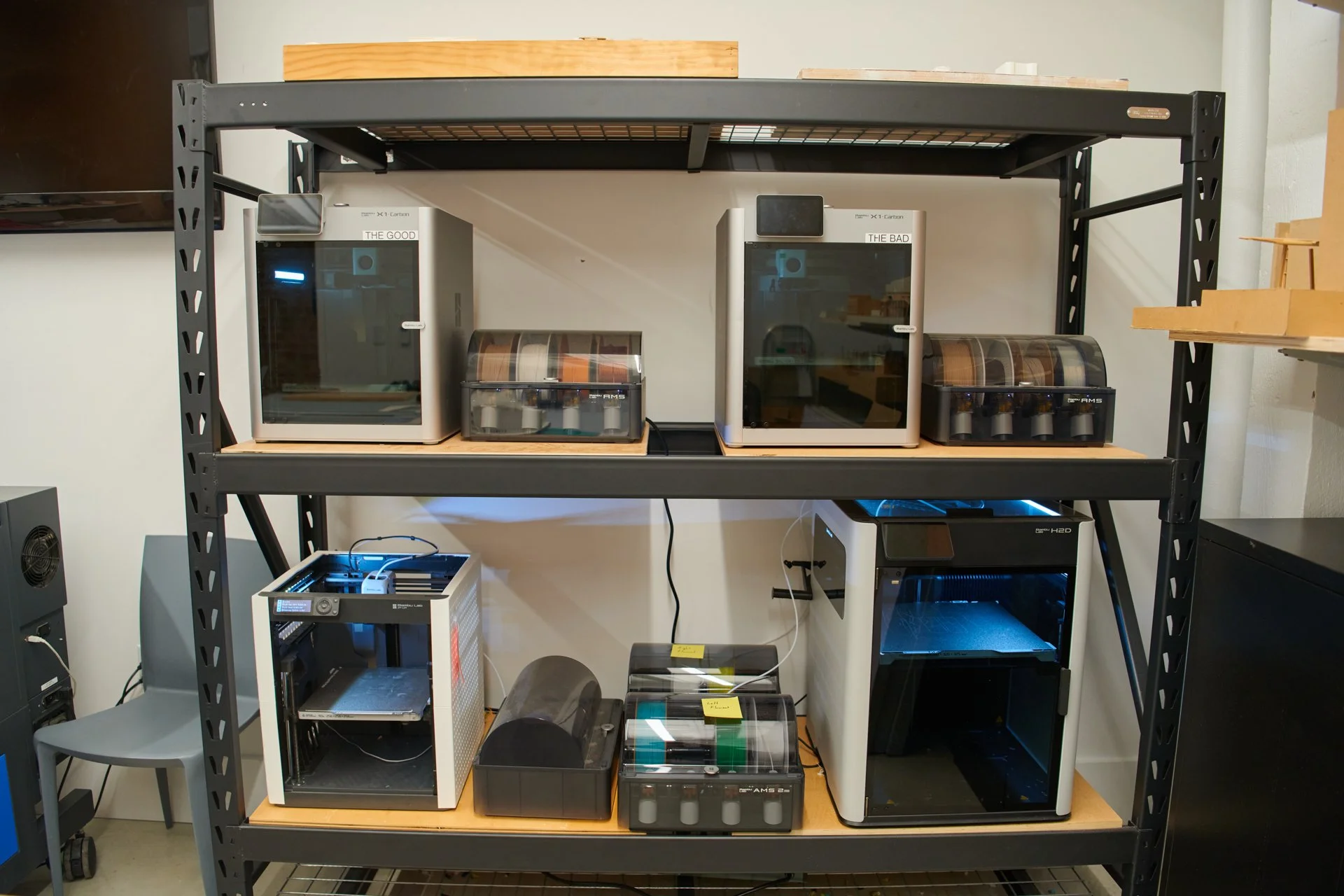
The 3D printers in our studio’s shop
The new studio includes a dedicated wood shop and digital fabrication area equipped with 3D printers and laser cutters, reinforcing the firm’s continued commitment to hands-on making alongside digital workflows.
For Chris, the opportunity felt personal. Many of the intricate physical models he produced for Goldring Woldenberg Riverfront Park were crafted in the much smaller, improvised shop in the firm’s previous Canal Street office. Working within those tight constraints only reinforced the value of a space intentionally designed for fabrication.
Today, the expanded shop in the new studio gives designers room to prototype, test materials, and build large-scale models with greater ease, extending the culture of making that Chris helped sustain long before the new workspace existed.
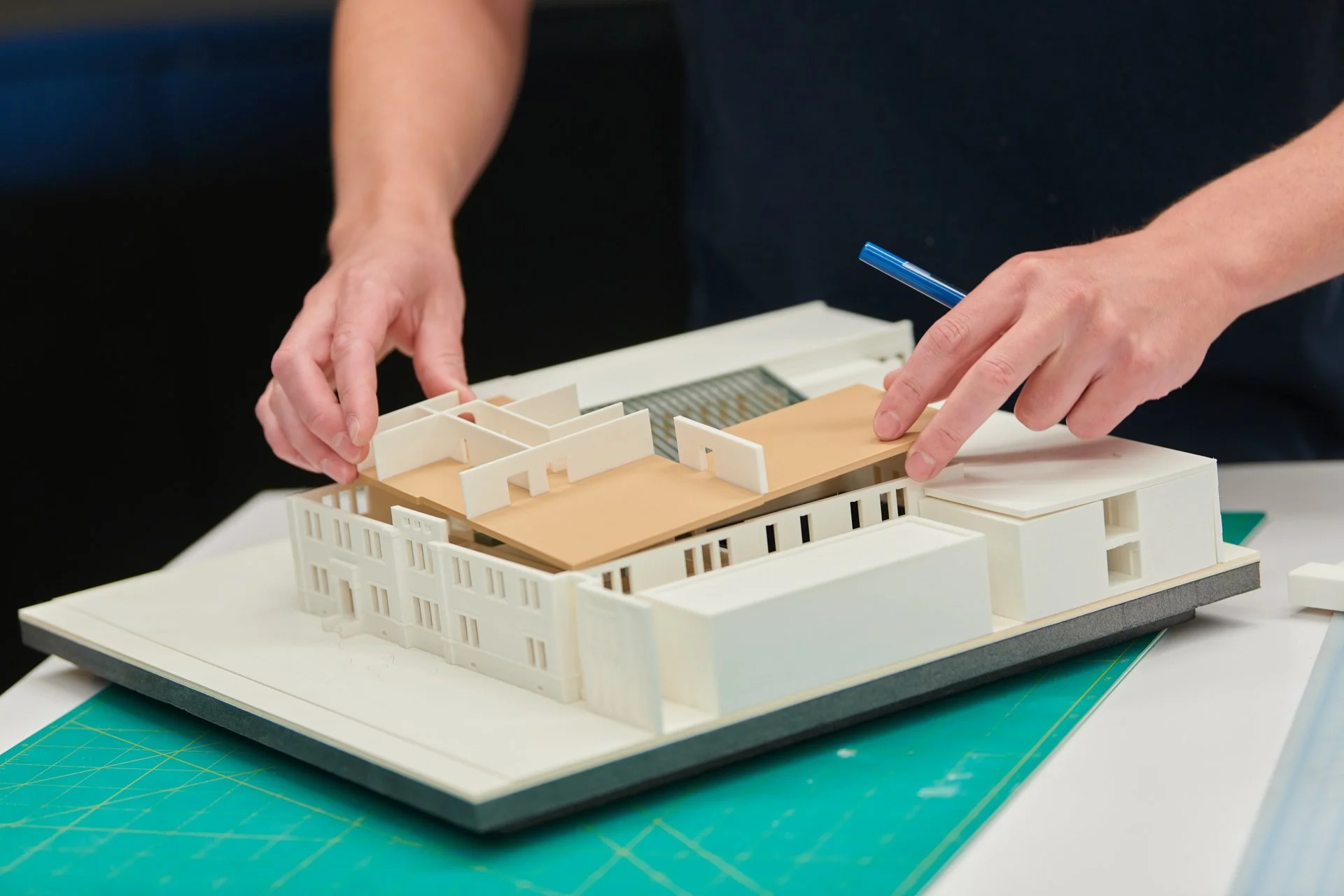
Ultimately, that commitment to making continues to shape how Chris approaches architecture. Whether exploring ideas through models, experimenting with materials in the shop, or testing digital workflows, his process remains grounded in the belief that architecture is best understood not just through drawings or renderings, but through the act of making itself.